MUMBAI: The Bombay high court on Tuesday rejected bail plea of Yusuf Khan Bahadur Khan, one of the accused in the 2022 murder of Amravati pharmacist Umesh Kolhe, who was allegedly killed for sharing a social media post in support of former Bharatiya Janata Party (BJP) spokesperson Nupur Sharma following her controversial remarks about the Prophet.
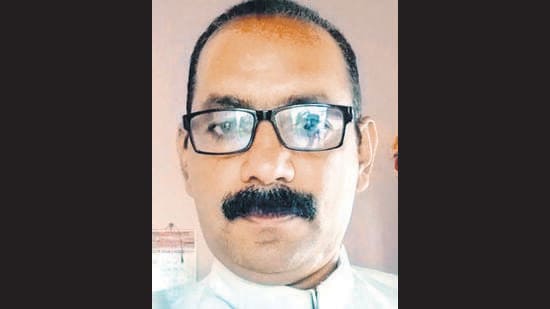
The division bench of justice AS Gadkari and justice Shyam C Chandak rejected the bail plea of the 46-year-old veterinary doctor after noticing that there are reasonable grounds to believe that the accusation against him was prima facie true.
Rejecting Khan’s plea, the bench said, “Undoubtedly, the offence alleged is grave and heinous in nature. Such offences affect the very core and conscience of the society, making it vulnerable.”
According to the prosecution, on May 26, 2022, Nupur Sharma made a controversial comment during a television debate which led to massive outrage in the Muslim community. Kolhe, who ran a veterinary medical store in Amravati, was killed after he openly expressed support for Sharma.
Some extremist elements from Amravati allegedly hatched a conspiracy and attacked Kolhe when he was going home on his scooter on the night of June 21, 2022. He was accosted by three young men on a bike and stabbed in the neck.
On July 1, 2022, the police arrested Khan, for allegedly being a part of the conspiracy to kill the pharmacist. Khan, who was accused of posting Kolhe’s message in several WhatsApp groups with a message inciting anger and hatred, had approached the high court after the special NIA (National Investigation Agency) court rejected his bail plea in July 2023.
Khan had sought bail claiming that all he did was try to persuade other veterinary doctors to stop buying medicines from Kolhe. He said that he did not like Kolhe’s post and wanted to adversely affect his business, adding that he had no other intention behind sending the messages that he did.
His representatives in court also argued that there was no evidence to suggest that Khan was a radicalised Islamist and that he had participated in meetings conspiring with the other accused. In addition, there was evidence to suggest what may have transpired in these alleged meetings. He added that the only evidence against the applicant was in the form of extra-judicial confessions of the co-accused, which are inadmissible as evidence. In addition, his lawyer told the court that Khan had already spent around three-and-half years behind bars and the trial was not likely to start anytime soon.
The court, however, refused to accept the arguments. The judges said that if Khan’s intention had been limited to causing the victim loss in business, he would have drafted his message accordingly and would have sent it only to veterinary doctors and not to unrelated people, telling them to forward it in as much as possible.
“Considering the material on record, prima facie it appears that a terrorist gang was formed by the accused persons under the leadership of A-7 (accused No.7 – Irfan Rahim Khan) to avenge the alleged dishonour of their faith by the deceased, by brutally killing him and to strike terror into the hearts and minds of general public irrespective of whether they supported the spokesperson’s comment or not,” the court added.