MUMBAI: The state government on Wednesday tabled the Maharashtra Unaided Private Professional Educational Institutions (Regulation of Admissions and Fees) Act, 2015 to amend the law and bring in clarity on the Maratha reservation quota in private professional colleges, bring in an appellate authority for issues related to fee hikes and alter the age of retirement and service tenure of the Admission Regulatory Authority (ARA) chairman.
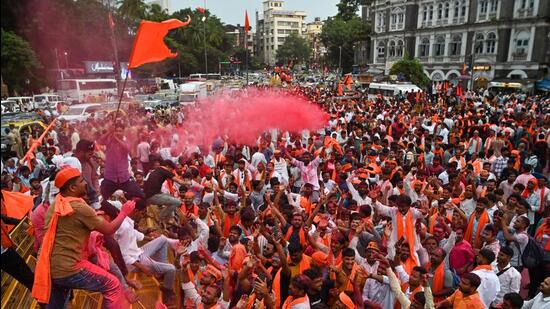
Section 6 of the Act is being amended to allocate seats in unaided institutions to Maratha students covered by the Maharashtra State Reservation for Socially and Educationally Backward Classes Act. The amendments will also strengthen the powers of the Fees Regulating Authority (FRA), create provisions for the funding of regulatory bodies and the CET Cell, enhance penalties for violations, and establish a selection committee for appointments.
The provision for the constitution of an appellate authority has been introduced to enable students to appeal against the decisions of the ARA regarding admissions and the FRA on matters related to fees. The FRA has also been empowered to inspect unaided institutions to ascertain that the fees they charge are “reasonable and just”, says the bill. The bill has been introduced to replace the ordinance that was issued by the government recently.
The amendments have also made a provision for the constitution of a CET cell and a provision for funds for it as well as the FRA and ARA. The bill also amends the clause dealing with the retirement age of the ARA chairman, raising it to 70 years from the existing 65 years and curtailing the term to three years from five years.
“The amendments are for clarity and making them legally foolproof with regard to Maratha reservation, the powers of the FRA and the appellate authority to handle matters related to fee hikes,” said an official from the higher and technical education department. “The amendments were brought after we came across the lacunae in the existing act.”