Wheat prices surged to a new record high on Monday after India decided to ban exports of the commodity as a heatwave hit production.
The price jumped to 435 euros ($453) per tonne as the European market opened.
Global wheat prices have soared on supply fears since Russia’s February invasion of agricultural powerhouse Ukraine, which previously accounted for 12 percent of global exports.
The spike, exacerbated by fertiliser shortages and poor harvests, has fuelled inflation globally and raised fears of famine and social unrest in poorer countries.
India, the world’s second-largest wheat producer, said on Saturday that it was banning exports after its hottest March on record.
New Dehli said factors including lower production and sharply higher global prices meant it was worried about the food security of its own 1.4 billion people.
Export deals agreed before the directive issued on May 13 could still be honoured but future shipments needed government approval, it said.
However, exports could also take place if New Delhi approved requests from other governments “to meet their food security needs”.
India, which possesses major buffer stocks, previously said it was ready to help fill some of the supply shortages caused by the Ukraine war.
The export ban drew sharp criticism from the Group of Seven industrialised nations, which said that such measures “would worsen the crisis” of rising commodity prices.

Less time to read?
Try Quickreads

-
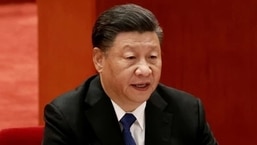
Xi Jinping’s old speech on China front pages shows urgency to fix economy
A six-month-old speech by President Xi Jinping on the need to preserve jobs and shore up growth was splashed across China’s main financial newspapers on Monday, signaling greater urgency to bolster the economy after lockdowns brought Shanghai and other major cities to a halt. In the remarks, Xi voiced support for the “healthy development” of the private sector and entrepreneurs, but also warned that regulators must prevent “capital predators” from acting recklessly.
-

Most of Shanghai ends Covid-19 spread, 1 million left in lockdown
Most of Shanghai has stopped the spread of the coronavirus in the community and fewer than 1 million people remain under strict lockdown, authorities said Monday, as the city moves toward reopening and economic data showed the gloomy impact of China’s “zero-COVID” policy. Vice Mayor Zong Ming said 15 out of Shanghai’s 16 districts had eliminated virus transmission among those not already in quarantine.
-

New Sri Lanka PM likely to provide ‘full explanation’ of financial crisis today
Ranil Wickremesinghe, the new prime minister of Sri Lanka who was sworn-in last Thursday, is likely to address the country on Monday, in what would be the first national address of his record sixth term as the island nation’s premier. During the speech, Wickremesinghe will present the ‘full picture’ of Sri Lanka’s current economic crisis, its worst since 1948 when it gained independence from British rule.
-

Shanghai aims to return to normal life from June 1
Shanghai aims to reopen broadly and allow normal life to resume from June 1, a city official said on Monday, after declaring that 15 of its 16 districts had eliminated cases outside quarantine areas. The city plans to gradually increase domestic flights and rail services, and from Monday will begin reopening supermarkets, convenience stores and pharmacies.
-

US witnesses 2 shootings in 48 hours, concerns over gun violence again: 5 points
The United States witnessed two mass shootings within 48 hours, one of which was confirmed as racially motivated. In the Buffalo supermarket shooting, the gunman, identified as a white 18-year-old man, killed 10 and wounded three, most of them Black. On Sunday, a gunman went on a rampage at a church near Los Angeles, killing one and leaving four others in “critical” condition, as per the officials.