Israel currently depends on shoot-down systems that launch interceptor missiles costing between tens of thousands and millions of dollars to track such projectiles.
A laser-based air defence system that Israel hopes to deploy from next year to neutralise enemy rockets and drones will cost just $2 per interception, Prime Minister Naftali Bennett said on Wednesday.
Israel currently depends on shoot-down systems that launch interceptor missiles costing between tens of thousands and millions of dollars to track such projectiles.
But the Iron Beam system, a prototype of which was unveiled last year, uses lasers to super-heat and disable aerial threats.
Bennett predicted it would enter service by early 2023.
“This is a game-changer, not just because we are striking at the enemy military, but also because we are bankrupting it,” he said during a visit to the system’s state-owned manufacturer, Rafael Advanced Defense Systems.
Palestinian and Lebanese forces have in past wars launched thousands of rockets and mortar bombs at Israel, which has in recent years also intercepted drones it suspects were launched by Iranian-backed fighters near its borders.
“Until today, it cost us a lot of money to intercept each rocket. Today they (the enemy) can invest tens of thousands of dollars in a rocket and we will invest $2 on the electricity for intercepting that rocket,” Bennett said in a video issued by his office.

Less time to read?
Try Quickreads

-
-
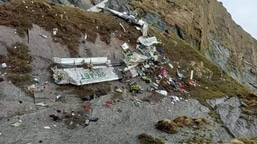
Nepal plane crash: 21 bodies retrieved from site, says civil aviation authority
The Nepal Civil Aviation Authority on Monday said 21 bodies were recovered from the wreckage of the Tara Air flight which crashed in Mustang district on Sunday, ANI reported. It lost contact with the air traffic control after 12 minutes. According to the Aviation Safety Network website, the aircraft was made by Canada’s de Havilland and made its first flight more than 40 years ago, AFP reported.
-

Mona Lisa left unharmed but smeared in cream in climate protest stunt
The Mona Lisa was left shaken but unharmed on Sunday when a visitor to the Louvre tried to smash the glass protecting the world’s most famous painting before smearing cream across its surface in an apparent climate-related publicity stunt. The perpetrator was a man disguised as an old lady who jumped out of a wheelchair before attacking the glass. The Louvre was not immediately available for comment.
-
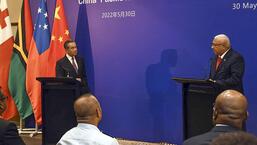
Setback for China as security and economic deal with Pacific islands falls through
China and a cluster of Pacific island countries failed to reach a consensus on an overarching security and economic deal on Monday in what appears to be a setback to Beijing’s expanding ambitions in the South Pacific region. “China’s plan to sign a sweeping trade and security deal with ten Pacific Island countries was dealt a setback as some of them expressed concern about specific elements in the proposal,” Australia’s ABC News reported.
-
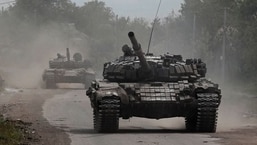
UK says Russia suffers devastating losses among lower-ranked officers
Russia appears to have suffered devastating losses amongst mid- and junior-ranking officers in its conflict with Ukraine, raising the prospect of weaker military effectiveness in future, Britain’s defence ministry said on Monday. Brigade and battalion commanders were probably deploying to the most dangerous positions while junior officers have had to lead low-level tactical actions, the ministry said on Twitter in its latest Defence Intelligence update.