MUMBAI: Nearly 120,000 motorists caught in the 33-hour traffic paralysis on February 3–4 across the Mumbai–Pune Expressway corridor will receive toll refunds without filing individual claims by March 31, with the Maharashtra State Road Development Corporation (MSRDC) initiating a bulk reimbursement process estimated at ₹5.16 crore.
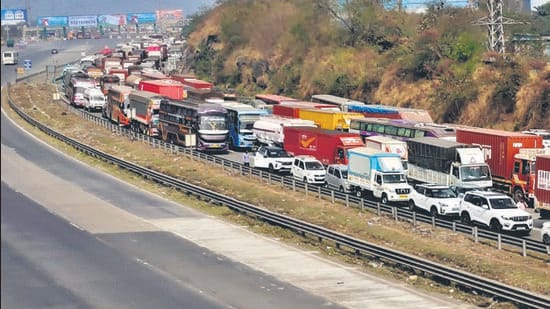
The gridlock followed a propylene gas tanker overturning near Adoshi Tunnel on February 3 evening, forcing authorities to shut Mumbai-bound lanes on the Mumbai–Pune Expressway. Traffic spillover choked the Old Mumbai–Pune Highway and stretched up to the Pune–Bengaluru Highway, leaving commuters stranded for hours without food or water.
Although toll collection was ordered to be suspended soon after the accident, FASTag deductions had already taken place. MSRDC has now directed IRB Infrastructure Developers, whose subsidiaries operate and maintain the affected stretches, to submit detailed vehicle transaction data.
Officials confirmed that refunds will be credited directly to FASTag wallets by the end of this financial year. The process involves reconciliation of high-volume RFID transaction data, verification of the exact number of eligible vehicles, and finalisation of refund parameters. While Mumbai-bound vehicles stuck in the prolonged jam are certain to benefit, authorities are still examining whether Pune- and Bengaluru-bound motorists travelling during the disruption window will also qualify.
MSRDC will coordinate with FASTag-issuing banks to process credits centrally, sparing motorists from raising individual disputes, a departure from the usual refund mechanism that requires vehicle owners to file complaints.
Officials said reconciliation may take up to three weeks once data vetting is complete. The final refund tally may vary slightly from current estimates, pending scrutiny of transaction logs and eligibility cut-offs.
The move marks one of the largest mass toll reimbursements undertaken on the corridor.