United Nations human rights chief Michelle Bachelet on Saturday said her six-day visit to China was “not an investigation” and meetings in Xinjiang were ‘unsupervised’ by the authorities. Bachelet said she spoke with “candour” during her official meetings.
She further said she had appealed to the Chinese authorities to prioritise provision of information to families who lost contact with their loved ones in Xinjiang. She added that she had urged Beijing against ‘arbitrary and indiscriminate’ measures in the region. Beijing is accused of imprisoning over one million Uyghurs and other Muslim minorities, forced sterlisation of women and running labour camps which fuel global supply chains in the far-western region.
The global rights body chief described the visit that included a virtual meeting with Chinese President Xi Jinping as a chance to “listen to each other”. Responding to critics who condemned her for failing to be tough on China’s human rights record during her trip, she said, “I have heard you”.
Bachelet said the UN human rights office will have annual senior strategic meeting with the Chinese government.
(With agency inputs)


Less time to read?
Try Quickreads

-

Facing cash crunch, Sri Lanka to get 90,000 tonnes of Russian light crude oil
Sri Lanka on Saturday received Russian oil in a bid to restart operations in the island nation’s only refinery, AFP quoted the country’s energy minister Kanchana Wijesekera. Ceylon Petroleum Corporation, the state-run refinery was shut in March due to the foreign exchange crunch, which left the government being unable to finance crude imports.
-

Mexico: Archaeologists uncover 1,500-year-old city full of palaces, pyramids
Archaeologists working in the Yucatan region of Mexico have revealed the remains of a centuries-old Mayan city, local media reported on Friday. The area was first uncovered in 2018 on a construction site for a future industrial park close to the town of Merida on Yucatan’s northern coast. Archaeologists from the National Institute for Anthropology and History then took over the site.
-

Imran Khan ended Azadi march abruptly after talking to these 3 persons: Report
Former Pakistan prime minister Imran Khan who was determined to carry on with his protest until the government announces a fresh election on May 26 ended the Azadi march which reached Islamabad leaving trails of violence and destruction in Punjab, Karachi and Lahore. Addressing his supporters, Imran Khan announced an end to the march and gave a six-day deadline to the government to announce the election.
-
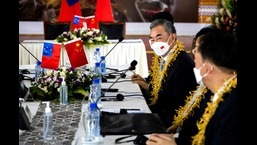
China signs deal with Samoa to strengthen ties
China and the island nation of Samoa on Saturday signed a deal to strengthen ties amid a flurry of diplomatic activity across a cluster of remote islands in the Pacific Ocean where Canberra, Washington and Beijing have begun to campaign and jostle for influence. The deal signed between visiting Chinese foreign minister Wang Yi and Samoan Prime Minister Fiame Naomi Mataafa promised “greater collaboration” between the two countries. Details of the deal remain unclear.
-

Bangladesh says Rohingyas could turn to extremism, seeks help for repatriation
Bangladesh foreign minister AK Abdul Momen on Saturday said that Rohingya refugees staying in his country could turn to extremism and sought help from India and other countries in the region to repatriate them to Myanmar. The session was attended by a host of dignitaries including external affairs minister S Jaishankar, Assam chief minister Himanta Biswa Sarma and ambassadors and high commissioners of several South East Asian countries including Myanmar.